
3 Reasons Why Your Antifungal Product isn’t Fixing Your Toenails
1.The problem isn’t fungal.
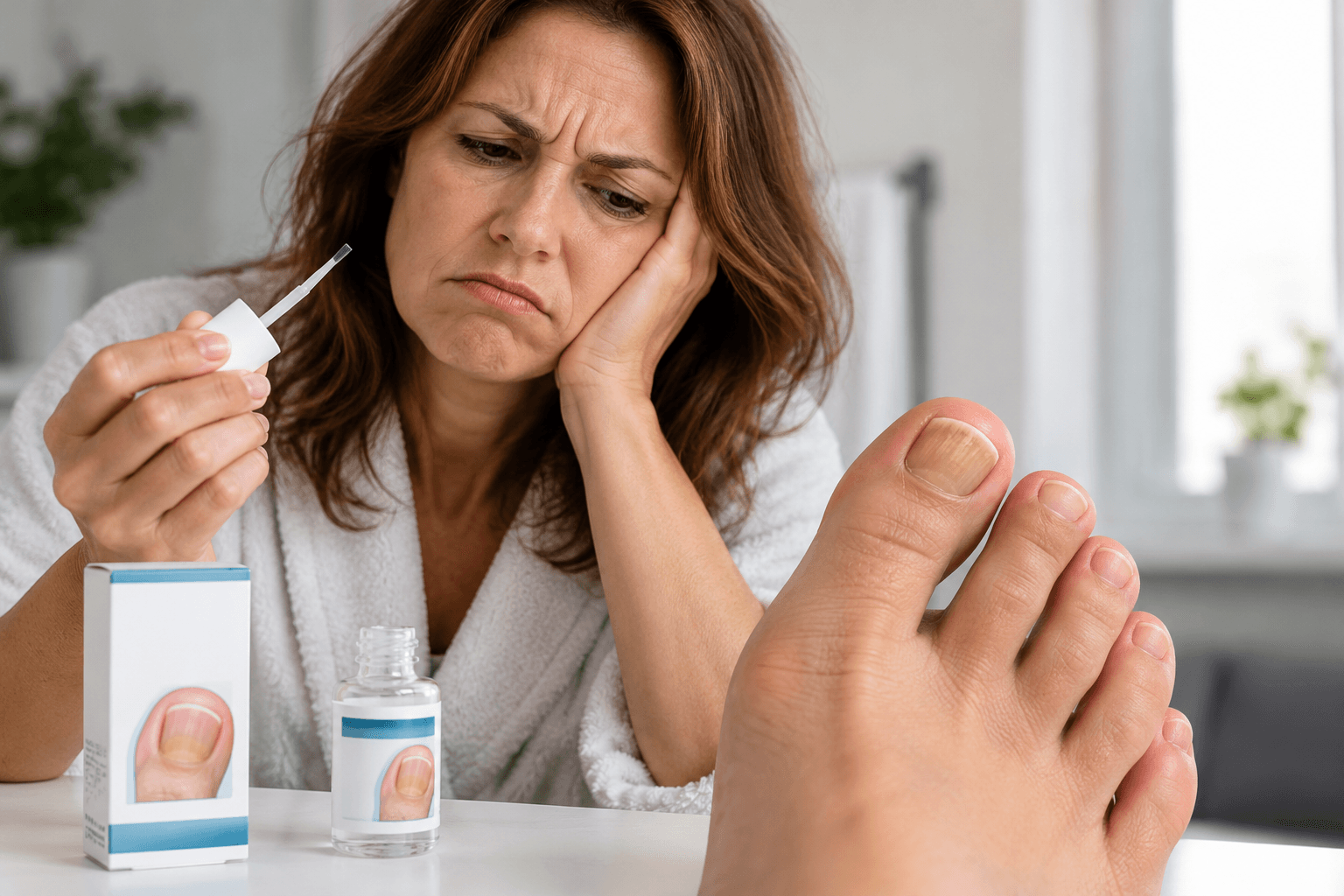
Thick, yellow, brittle toenails can be caused by a number of reasons and fungal infections are only responsible for 50% of toenail issues. Yellow, thick, uncomfortable toenails can simply also be a result of our genetics (we can be predisposed to this – otherwise known as onychauxis). Lifestyle and aging can also impact the look and feel of our toenails. Other health conditions where this is no infection present can result in symptoms that may be similar to a fungal infection. Inflammatory conditions can lead to changes to shape, colour and texture of toenails, as can sports related trauma to the nail, aggressive salon interventions, gel and acrylic nail product use/removal and even wearing ill-fitting footwear. You can read more about this in the blog (on this page) dedicated to this subject and in “Nail Fungus, The Essential Guide” https://amzn.eu/d/09RaW2zR. It’s always advisable to seek a professional diagnosis of any toenail issue, particularly before using an antifungal product when it may not be necessary. Using the right product to repair and recover toenails will lead to better results.
2. Antifungals only fight the infection and not the damage the fungus causes
Your antifungal product may clear the fungal infection (if you have a confirmed case of nail fungus – noting point 1. above) but it’s not designed to repair the damage to the toenail which the fungus has caused. You need to use a product that takes care of the nail itself to see (and feel) improvement in the colour, texture and thickness of the existing damaged nail as well as ensuring the new nail growing in behind it is not only fungus-free, but stronger, more resilient and in better condition overall. Repair and restore toenail damage at the same time as tackling the infection for the results you’re looking for. Antifungals can only do the job for which they were designed. And can in fact worsen the condition of the nail by dehydrating it (harsh, alcohol solvent based formulations) in doing so. You can read more about that in our dedicated blog on why you shouldn’t use antifungals unless you need to.
3. You’re using cosmetic products or other unproven remedies
There are many cosmetic products - available in store or online - which claim to clear up nail fungus. These haven’t been scientifically developed, nor have they and their ingredients been clinically tested and proven. They’ve not been created in laboratories which can support their efficacy and claims with a scientific rationale or data. The same goes for them having no clinical testing data. Opt for scientifically developed products that are backed up by this evidence and which you can trust. There are also a number of products available that contain antifungal medicines but which are only licensed for use in other conditions such as athletes foot. This does not mean that they will work on nail fungus and are able to penetrate the nail and clear up the infection. Tolnaftate-containing products are one example. The alleged ‘active’ agents in these products are not approved for use in, nor have they been tested in fungal nail. Policing of spurious, unproven claims - whether made by cosmetic products or over the counter antifungal and other nail health remedies is challenging for the authorities and lots ‘slip through the net’. It’s best always to read the small print yourself to check the evidence. Credible products and technology will have much more chance of delivering the results you need.